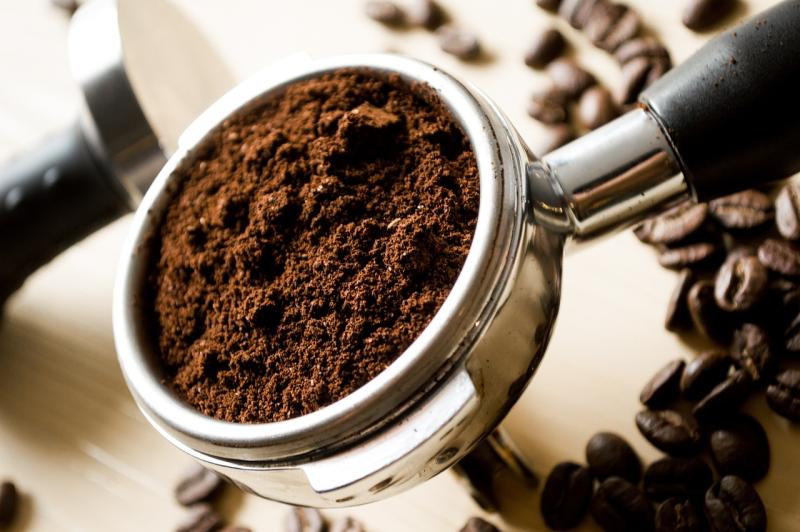
Coffee has a fascinating history that dates back centuries. It all began in the ancient coffee forests of Ethiopia, where it is believed that a goat herder named Kaldi discovered the coffee bean. Kaldi noticed that his goats were unusually energetic after eating the red berries from a certain tree. Curiosity led him to try the berries himself, and soon he was dancing with joy alongside his lively goats!
Word of Kaldi’s energizing discovery spread quickly. Eventually, coffee made its way to the Arabian Peninsula, where it became popular among the Arabic culture. By the 15th century, coffee was being cultivated and traded, with coffee houses popping up in cities like Mecca. These coffee houses, called qahveh khaneh, became lively social hubs where people gathered to enjoy cups of coffee while discussing everything from politics to poetry.
As coffee gained popularity, it began to spread far beyond the Middle East. By the 17th century, it was making its way into European culture, causing quite a stir. In England, coffee houses became known as "penny universities" because for just the price of a cup of coffee, anyone could gain access to stimulating conversation and knowledge. Even famous thinkers like Voltaire and Rousseau frequented these spots!
The journey of coffee didn’t stop there. By the 18th century, coffee cultivation began in the Caribbean and South America, turning coffee into one of the most sought-after commodities in the world. It transformed economies, impacted trade routes, and shaped societies. Today, coffee is not just a drink; it’s a global culture that brings people together, whether in a cozy cafe or over a virtual meeting. While its journey has evolved, the love for coffee remains as strong as ever!
Coffee's Impact on Culture and Society
Coffee isn’t just a delicious drink; it’s a cultural phenomenon. From bustling cafés in Paris to coffee shops on every corner in New York, this beloved brew has shaped social interactions for centuries. Imagine the lively discussions that have taken place over a steaming cup, sparking creativity and connection among friends, strangers, and even world leaders.
In the 17th century, coffeehouses became public spaces where people gathered to share ideas, debate politics, and discuss literature. These “penny universities” offered a slice of enlightenment to anyone willing to pay for a cup. It was here that people from various walks of life could exchange thoughts freely, laying the groundwork for revolutions in thought and culture.
Coffee has also played a role in global economies. For many countries, especially in South America and Africa, coffee exportation is vital for economic stability. It’s not just about the beans; it supports countless farmers and their families. As the demand for coffee grows, sustainability becomes a priority, with more consumers opting for ethically sourced beans.
The influence of coffee has even seeped into art and literature. Writers and artists throughout history have found inspiration in the rich aromas and lively atmospheres of coffee shops. Whether it's a poet tapping away at a typewriter or an artist sketching their surroundings, coffee has fueled creativity across generations and places.
How Coffee Fueled Innovation and Ideas
Coffee has been more than just a morning pick-me-up; it’s a spark for creativity and innovation throughout history. From coffeehouses in the 17th century that became hubs for new ideas to the modern workspace where a good cup fuels brainstorming sessions, coffee has a way of bringing people together and inspiring fresh thoughts.
In places like London and Paris, coffeehouses served as melting pots for intellectuals, artists, and thinkers. Imagine writers crafting their next big novel while sipping a latte or inventors discussing groundbreaking technologies over a cup of espresso. These gatherings often led to the exchange of ideas that changed the course of history.
Fast forward to today, and you’ll find coffee playing a key role in our work environments. Many people rely on their favorite brew to kickstart productivity. It’s not just about staying awake; that beloved cup can transform a dull meeting into a dynamic brainstorming session. In fact, studies show that caffeine can enhance focus and creativity, making it a favorite tool for many innovators.
Even in the tech world, coffee is part of the culture. From casual coffee breaks in startups to coding marathons fueled by strong brews, the connection between coffee and innovation is undeniable. So the next time you grab a cup, remember it’s not just about taste—it might just be the secret ingredient to your next big idea!
The Future of Coffee: Trends to Watch
As we dive into the future of coffee, it’s exciting to see how this beloved beverage continues to evolve. Coffee lovers are becoming more conscious about where their beans come from, leading us into a world of sustainable and ethically sourced coffee. Many brands are focusing on transparency and fair trade practices, ensuring that farmers receive a fair share for their hard work. This means you can enjoy your cup of joe while making a positive impact!
Another trend on the rise is the increasing popularity of specialty coffee. Think artisanal craft roasters and unique brewing methods that highlight the distinct flavors of different beans. People are stepping away from the standard coffeehouse experience, opting for single-origin brews that tell a story with every sip. This is a fantastic time for anyone wanting to explore a whole world of taste, aromas, and coffee culture!
Let’s not forget about technology! More coffee enthusiasts are turning to smart brewing devices and apps that help them achieve the perfect cup. Whether it’s programmable coffee makers or smartphone-controlled grinders, these innovations make it easier than ever to experiment with brewing methods. Plus, they take the guesswork out of achieving that café-quality goodness right at home!
Finally, plant-based alternatives continue to gain traction. As more people adopt vegan and plant-based diets, coffee shops are rolling out innovative milk options like oat, almond, and coconut. These alternatives not only cater to dietary preferences but also offer a new twist on classic favorites. Imagine diving into a velvety oat milk latte or a refreshing coconut milk iced coffee—delicious!